
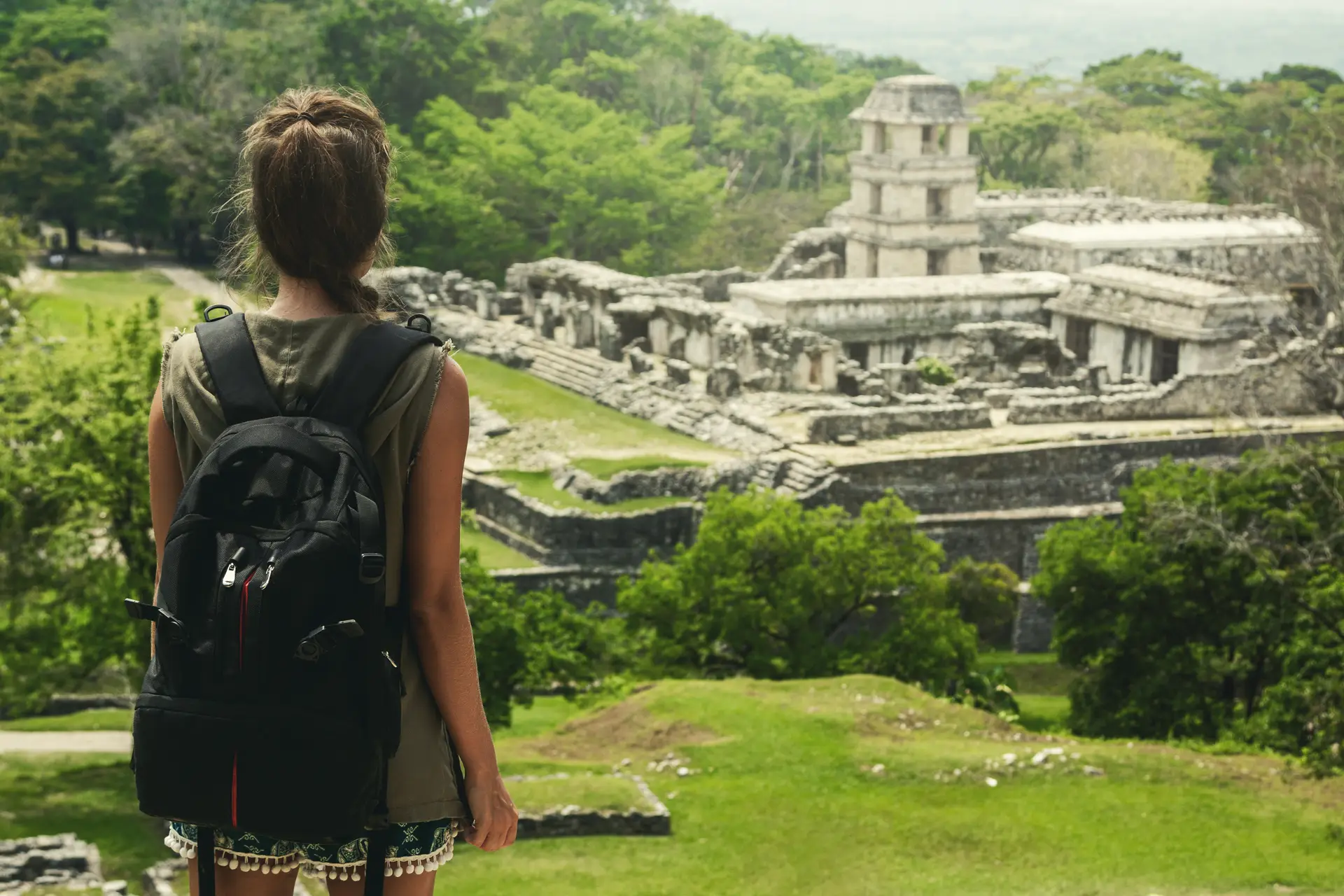
Connecting with the community: responsible tourism in Tulum’s local villages
Responsible tourism in Tulum starts with a simple idea: travel can be more meaningful when it creates a real connection. Beyond the beach, visitors can discover local life through community projects, cultural workshops, family-led experiences, artisan visits and environmental initiatives. These moments all support the people who live here while offering travelers a deeper understanding of the place they have come to enjoy.
For guests at Cabañas Tulum Beach Hotel & Spa, connecting with the local community can become a thoughtful way to experience Tulum with respect and curiosity.
Why responsible tourism in Tulum matters
Tulum is globally known for its Caribbean coast, natural beauty, wellness culture and Mayan heritage. Yet the destination is also shaped by the people who live, work and preserve traditions here. Responsible tourism in Tulum means looking beyond the usual itinerary and choosing experiences that value local voices, protect the environment and support small-scale initiatives.
This kind of stay does not require a complicated plan. It may begin with a guided visit led by a local expert, a workshop with an artisan, a cooking experience in a family setting or a few hours dedicated to a community project. What matters the most is the intention behind the experience: listening, learning and participating with respect.
For many travelers, these encounters become some of the most memorable parts of a stay. They add context to the landscape, give meaning to the culture, reframe priorities and create a more personal relationship with the destination.
From visitor to guest: connecting with the local community
Connecting with the local community in Tulum is not about rushing from one activity to the next – but slowing down enough to notice the human side of the place.
A conversation at a market, a story shared during a cooking class or a visit to a small artisan workshop can reveal details that are easy to miss from a distance. These experiences help travelers understand how traditions are passed on, how local families live and how the territory is connected to everyday life.
The best cultural exchange in Tulum always begins with openness: ask questions with kindness, let local hosts guide the rhythm, request permission before taking photos of people, homes, workshops or ceremonies. When travelers approach these moments with humility and discretion, the exchange feels natural and respectful.
Volunteer in Tulum: one day, real connection
Volunteering can be a meaningful way to give back during a trip, especially when organized through local groups that understand the community’s needs. Visitors interested in this kind of experience should plan ahead, check current opportunities and ask what type of support is most useful at that moment.
Community projects and children’s programs
Tulum has several local initiatives that welcome support for educational, creative and community-based projects. One example is LADLE, also known as Los Amigos de la Esquina, a nonprofit community center active in Tulum since 2017. Its programs focus on supporting local children and families, offering opportunities such as education, events, improvement projects, arts and crafts, gardening or group outreach. Availability can vary, so contacting the organization in advance is always the best approach.
For travelers, a morning spent helping with a practical activity can become a way to meet residents, understand local needs and participate in daily community life with a much bigger purpose than a simple vacation.
Environmental volunteering and local cleanups
Environmental projects offer another way to experience responsible tourism in Tulum. Some initiatives invite residents, visitors and local partners to take part in beach cleanups, restoration days, mangrove planting or environmental learning activities. ReFi Tulum, for example, describes its work around community activation, cleanups, restoration and regenerative tourism experiences connected to local ecosystems.
These activities are especially meaningful in a destination where nature is such an important part of the travel experience. Helping protect shared spaces, even for a few hours, can make a visit feel more grounded and participatory.
Learn through local workshops and cultural exchange
Cultural exchange in Tulum can also take a softer, more intimate form. Workshops and small-group experiences allow visitors to learn through gestures, flavors, language and conversation.
Mayan cooking experiences and family-led traditions
A cooking experience can be one of the most direct ways to understand a culture. In family-led or community-based settings, travelers may learn about local ingredients, traditional techniques and regional recipes shaped by Mayan and Yucatecan heritage.
The value is certainly in the dish, but also – and probably even more – in the time spent preparing food together, listening to stories and seeing how ingredients connect to memory, family, ancient culture and place. Handmade tortillas, local salsas, corn-based preparations and regional flavors can serve as an entry point into a much wider cultural landscape.
When choosing this type of experience outside the perimeter of your hotel, our suggestion is to look for hosts or operators who work directly with local families and clearly explain how the community is involved.
Spanish lessons with cultural immersion
Language is, by far, another powerful form of connection. Even a short Spanish lesson can change the way travelers move through Tulum, and learning basic greetings, market phrases or simple conversational expressions helps create more direct contact with residents.
Some visitors choose a private class or a short immersive session before visiting the town, local markets or nearby villages. The goal is not perfection, but the willingness to meet people halfway, with attention and respect.
Support local artisans and women-led initiatives
Buying local can become a meaningful gesture when it supports the person or community behind the object. Around Tulum and the wider region, travelers may find a variety of textiles, embroidery, ceramics, jewelry, decorative pieces and handmade items inspired by local traditions.
Whenever possible, choose artisan markets, small workshops or community-based spaces where the origin of the work is clear. Ask who made the piece, what materials were used and whether the symbols or patterns carry a specific meaning. These questions will turn a purchase into a moment of storytelling.
Women-led initiatives and cooperative projects can be especially valuable because they help preserve skills while supporting economic independence. When available, buying directly from these groups is another respectful way to recognize technique and cultural knowledge.
A simple rule helps: value the work! Handmade pieces carry effort, history and personal skill. Respecting the price is part of respecting the maker.
Responsible travel tips for meaningful encounters
Responsible tourism is made of practical choices, and a few simple habits can make community-based experiences more thoughtful and enjoyable. Here’s our top 6 rules:
- Choose transparent experiences. When possible, look for organizations, guides and operators that explain who is involved, how the activity works and how the community takes part.
- Ask before taking photos. A friendly request is always appreciated, especially when photographing people, homes, workshops or private moments.
- Buy directly when possible. Local markets, small shops and artisan workshops are beautiful places to find meaningful pieces while supporting local makers.
- Respect local rhythms. Community experiences are at their best when visitors listen, observe and let local guides or families lead the way.
- Reduce waste during excursions. Bringing a reusable bottle when appropriate, avoiding unnecessary single-use plastics and following local guidelines in natural areas are small gestures that make a difference.
- Let local guides lead the story. Guides, hosts and artisans can add context, stories and a personal voice that make the experience much richer.
Pro tip: Remember that our concierge is always available to help you organize your experience during your stay at our beautiful resort!
How to choose the right community experience in Tulum
Overall, the right experience depends on your interests, schedule and comfort level. Some travelers prefer hands-on volunteering, others may feel more connected through food, language, craft, environmental learning or a guided visit to a nearby community.
Before booking, read recent information and look for clear descriptions. Who organizes the activity? Who participates? How long does it last? Is it suitable for visitors? Does it explain how local people are involved?
Some organizations focus on direct community support. Feed Tulum, for example, is a community-led nonprofit with programs that include a food bank, support for local orphanages, charitable events, item donations and volunteer opportunities.
Because schedules and needs can change, it is always wise to check availability before planning the day. Once again, guests at Cabañas Tulum Beach Hotel & Spa can also ask the concierge for current suggestions, trusted contacts and experiences that match their travel style.
Plan a meaningful stay with Cabañas Tulum Beach Hotel & Spa
Responsible tourism invites travelers to experience Tulum at a different pace. The beach may be the first reason many people arrive, but the destination becomes richer when its human stories are also part of the journey.
Cabañas Tulum Beach Hotel & Spa is a beautiful base for discovering Tulum, offering a balance of beachfront relaxation, wellness, nature and thoughtful cultural experiences within reach.
If you would like to connect with the local community during your stay, we will be happy to help you explore available options, including community projects, cultural workshops, local tours and environmental initiatives. With the right guidance, responsible tourism in Tulum can become a natural part of your journey.
Book your stay at Cabañas Tulum Beach Hotel & Spa today and let us help you discover Tulum in a way that feels personal and deeply connected to the place.