
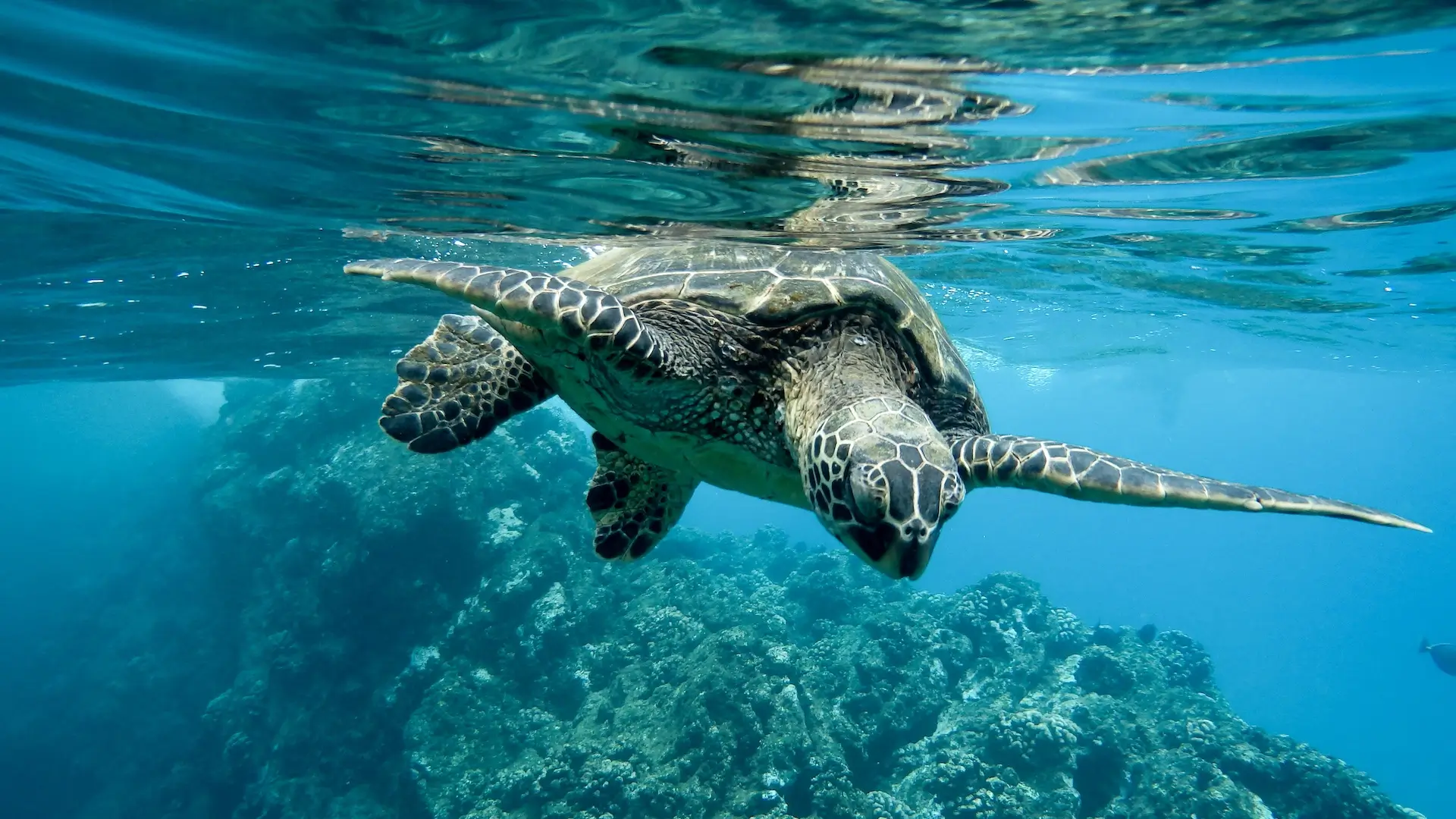
In Tulum, the sea turtle nesting season usually runs from May through October, when protected beaches become nesting grounds for species such as green turtles and loggerheads. For travelers, it’s one of the most meaningful times to experience Tulum’s coastline, but it also calls for simple, essential behaviors: keeping beaches dark at night, staying away from nesting areas, avoiding flash photography and following local conservation guidelines.
Let’s explore how to enjoy this magical experience in the most responsible way!
Why turtle season matters so much in Tulum
Each year, the Tulum turtle season turns this stretch of the Riviera Maya into something even more special. Along these beaches, adult sea turtles return to shore to lay their eggs, making the coastline an important part of the wider sea turtle nesting Tulum effort. It is a natural cycle that gives travelers the chance to witness one of the area’s most meaningful seasonal events while also understanding the care it requires.
This is why turtle conservation in Tulum is such an important part of the local beach culture. Hotels, residents, volunteers and conservation groups all help protect nesting areas, reduce disruption and support safer conditions for both nests and hatchlings. Such shared commitment helps preserve the coastline while respecting wildlife and keeping the experience authentic for visitors.
For guests, turtle season can be deeply emotional, memorable and even more rewarding when experienced with awareness and the right guidance.
When is sea turtle nesting season in Tulum?
In Tulum, sea turtle nesting season generally runs from May through October, with the highest nesting activity usually occurring between June and September. Along this part of the Riviera Maya, that seasonal rhythm is well known, so travelers visiting during these months may notice protected nest areas on the sand, lower beachfront lighting at night and occasional guidance from hotel staff on how to move around the beach responsibly after dark.
Hatching tends to happen later in the season, often from July into October, which means late-summer and early-fall stays can coincide with both active nesting beaches and the first baby turtles emerging from the sand. Sea turtle eggs usually take about 45 to 70 days to hatch, so hatching can begin as early as late June or July, depending on when the nest was laid. As always with wildlife, the timing is never identical from year to year: activity can shift slightly depending on the beach, the species and natural conditions throughout the season.
Which sea turtles nest along the Tulum coast?
Along the Tulum coast, the sea turtles most commonly associated with nesting season are green turtles (Chelonia mydas) and loggerheads (Caretta caretta). These are the species most often referenced in the Tulum and Akumal area, where protected beaches play a pivotal role during the nesting months. In nearby parts of Quintana Roo, conservation programs also report hawksbill turtles, though for Tulum’s beachfront experience, green turtles and loggerheads remain the clearest point of reference.
If you are curious about how to tell them apart, a few simple details can help. Green turtles usually have a smoother, more rounded shell and a relatively small head compared with their body size. Their shell often appears in shades of olive, brown or gray, sometimes with a softly patterned look. Loggerheads, by contrast, are known for their broader, heavier head and a more robust overall build, which gives them a sturdier silhouette on the sand.
You may also hear about hawksbills in the wider region. They are easier to distinguish thanks to their more pointed, hawk-like beak and shell patterning in warmer amber, gold and brown tones, often with more visibly serrated edges.
All of this matters because these turtles are a species of conservation concern and each protected nest contributes to a much broader effort along the Caribbean coast. Respectful beach practices during nesting season thus carry real value for local wildlife and for the future of these ancient, peaceful and overall truly remarkable animals.
What happens during sea turtle nesting season on the beach