
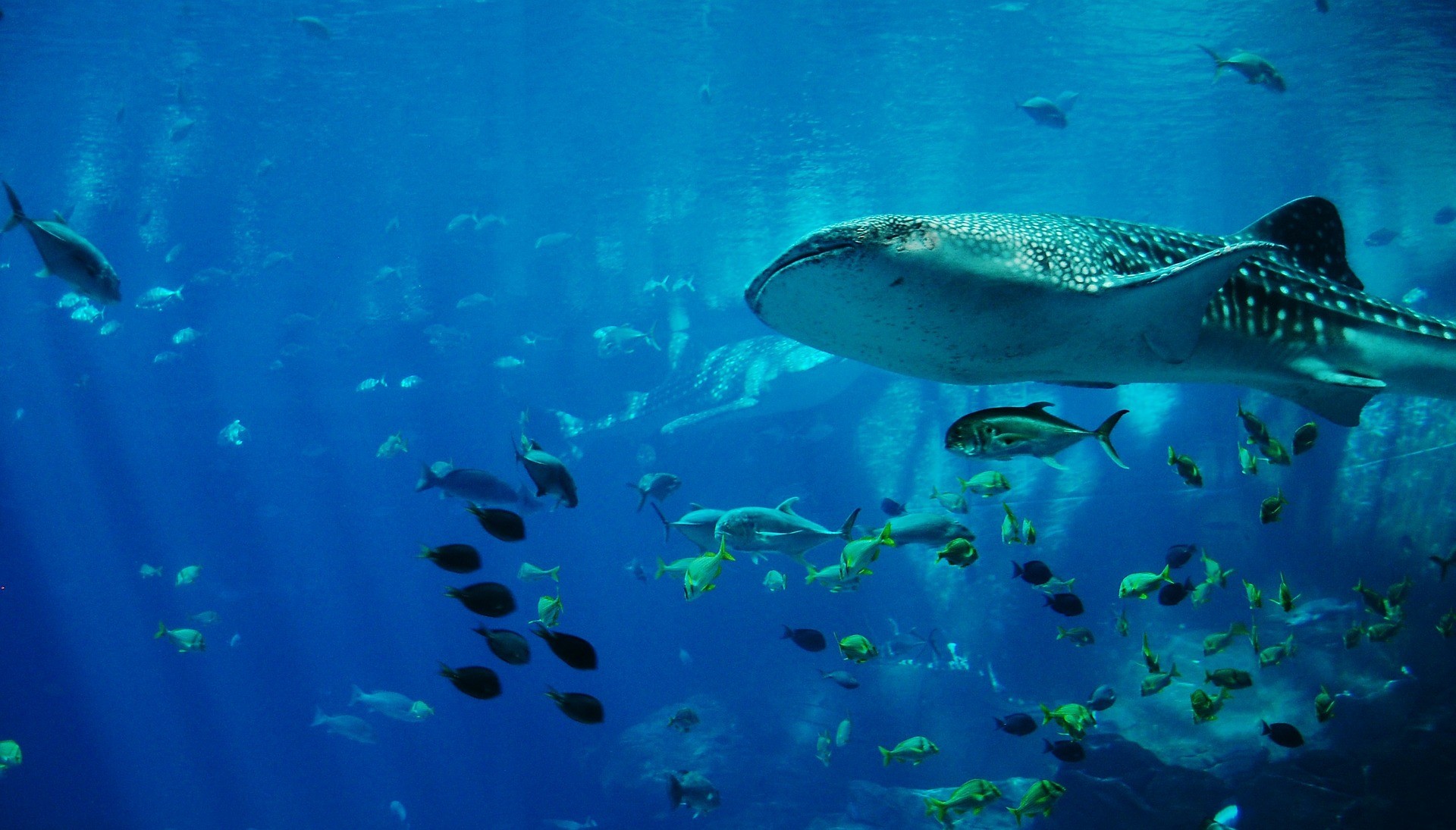
Whale sharks in Mexico: the Caribbean’s gentle giants
Having an honest contact with nature and experiencing a close encounter with a wild animal will always be memorable and rewarding. Off the coasts of the northern Yucatán Peninsula, you can enjoy one of the most extraordinary ocean experiences in the region: swimming with whale sharks in Mexico, the Caribbean’s gentle giants.
Whale sharks (Rhincodon typus) gather seasonally in warm waters to feed and certified boats reach the aggregation zone from destinations such as Cancún, Isla Mujeres and Holbox. If you are staying in the Riviera Maya, it is one of those once-in-a-lifetime adventures that feels both thrilling and humbling, especially when done responsibly.
What makes whale sharks so special
The whale shark is the largest fish in the ocean, with individuals commonly cited at up to about 40 feet (12 m) and very large weight estimates in some sources.
Despite their size, they are filter feeders, moving slowly through plankton-rich waters and feeding on tiny prey. This is why swimming with whale sharks is considered safe when rules are respected: they are not hunters and their feeding biology is built around filtering rather than biting.
Scientists are still learning about their life history, but many sources suggest they may live 60–100 years (and possibly longer), which makes responsible tourism even more important.
What also makes whale sharks so special is how vulnerable they are. They grow slowly, mature late, and depend on healthy plankton-rich waters – all factors that make populations less able to recover from pressure over time. Add the impact of boat strikes, accidental bycatch, habitat degradation and climate-related changes in ocean ecosystems, and it becomes clear why the species is listed as Endangered on the IUCN Red List.
For this reason, seeing a whale shark in the wild should be considered a true privilege: it is one of those encounters that reminds you how extraordinary the Caribbean still is, and how much it matters to protect it. Choosing responsible operators and following the rules is a simple way to help ensure these gentle giants remain part of the Mexican Caribbean’s natural heritage for generations to come.
When is whale shark season in the Mexican Caribbean?
In the Mexican Caribbean, whale shark encounters are typically associated with late spring to early fall, often described as May/June through mid-September, with the strongest sightings commonly reported around mid-to-late summer, depending on currents and feeding conditions.
Because this is a wild, feeding-driven aggregation, conditions can shift from year to year. The most reliable approach is to treat “season” as a window – not a guarantee! – and choose operators who plan around regulations and ocean conditions rather than promising perfect outcomes.
Where can you swim with whale sharks in Mexico?
Tours leaving from Cancún, Isla Mujeres and Holbox typically navigate toward the same broader feeding zone offshore, which can expand or contract depending on currents and plankton blooms.
Even if you see different departure points promoted online, the experience tends to converge on the same idea: open-water navigation, a guide-led briefing and short snorkeling sessions that prioritize the animal’s comfort and safety.
How the experience works: what to expect on a tour
Most tours begin early in the morning. Expect a boat ride in open water, which can be choppy on some days, followed by a structured, guide-led approach once whale sharks are located.
A responsible crew will manage the encounter carefully: entries are timed, groups are kept small and your guide will tell you exactly how to move in the water so you stay calm, safe and respectful.
Remember that Mexican regulations and best-practice guidance are specifically designed to reduce stress on the animal and avoid crowding.
Choosing a responsible operator: what matters most
Swimming with whale sharks is one of the most regulated wildlife experiences in the region, and that’s exactly what helps keep it ethical. A good operator doesn’t just “find the sharks”: they manage the encounter so that the animals are protected, the rules are respected and guests are kept safe and calm.
Licensed access and compliance
Start with the basics: legit operators are licensed to run whale shark tours and are familiar with the regulations that govern approach distances, swimmer behavior, time in the water and boat conduct within the designated area. In practice, this usually shows up in small details that matter: a clear pre-tour briefing, a guide who controls entry and exit timing and a crew that enforces rules consistently. If an operator seems vague about permits, rules or where the experience takes place, that’s a signal to look elsewhere.
Additional tip: Mexico has an official framework for whale shark observation and swimming, including guidance tied to NOM-171-SEMARNAT-2018 and related management rules.
Small-group, low-pressure behavior
The best whale shark tours feel unhurried and well-managed, even when the sea is busy. Ethical crews avoid crowding, wait their turn, keep a respectful distance and never chase animals to “create” an encounter.
Be cautious with marketing that promises guaranteed swims or pushes a “no swim, no pay” mentality, as it can encourage risky behavior and pressure the crew to prioritize results over the animal’s welfare. A responsible guide will also be comfortable calling it early if conditions aren’t right, because the goal isn’t a perfect video, but a respectful wildlife interaction that leaves the ecosystem undisturbed.
The rules that protect whale sharks (and why they exist)
Even though whale sharks are gentle, the experience must be carefully managed. The most important rules are set to protect the animal’s skin, behavior and feeding patterns – while also reducing risk for swimmers.
Keep your distance
Guidelines commonly require a minimum distance around the animal, often described as about 2 meters from the head area and 3-4 meters from the tail. This matters because whale sharks can change direction unexpectedly while feeding and their powerful tail movements are a key part of their feeding behavior.
No touching, no blocking, no chasing
Touching can damage the whale shark’s protective surface layer and encourages unnecessary intrusive behavior. Approaching from the front, cutting across its path, or diving under it creates stress and disrupts natural movement, so it is typically prohibited in best-practice rules.
Snorkeling only
Whale shark encounters are designed to be as low-impact as possible, which is why tours are typically limited to snorkeling rather than scuba diving. Snorkeling keeps the interaction quieter and less intrusive: no loud exhaust bubbles, no extended time at depth, less disruption to the animal’s natural movement while feeding. In other words, this choice is part of what helps the experience stay respectful, safe and sustainable.
Photography, but with respect and restraint
Underwater cameras are wonderful here, but flash, aggressive close-ups and intrusive tools (like drones in some guidance) can add stress. Ethical guidelines emphasize calm observation over “getting the shot at any cost.”
Sunscreen: reef-safe, or better alternatives
Many rules and conservation materials recommend avoiding conventional sunscreen in sensitive marine environments. A practical, eco-friendly approach is to rely on UPF clothing, a rash guard and a hat on the boat and use reef-safe products only when necessary.
What to bring for a smooth, comfortable day
A small, thoughtful kit makes the experience easier and more enjoyable.
As previously said, start with sun protection that doesn’t rely only on sunscreen: a UPF rash guard and a hat keep you comfortable for hours on the boat and in the water and they’re also a more eco-conscious choice in sensitive marine areas.
If you tend to get motion sickness, consider bringing seasickness support, as the ride is often on open water and conditions can change quickly. A waterproof camera (or an underwater case) is perfect for capturing the moment, but keep it simple and respectful: no flash and no pushing in close!
Finally, pack a light layer for the early start: even in summer, wind on the boat and the first hours of the day can feel cooler than expected.
Most tours include snorkeling gear, drinks and a meal, but inclusions vary, so it’s always worth checking the details with your operator before you go.
Beyond whale sharks: what else you might see
One of the most beautiful aspects of this excursion is that it rarely feels like a “single-species” experience. The same feeding conditions that bring whale sharks close – warm currents, plankton blooms, rich open-water life – often attract other marine animals too. In the water, you may notice schools of fish moving in coordinated waves, flashes of silver just below the surface, or reefish and pelagic species gathering where food is concentrated.
It’s also common to spot sea turtles, especially when the sea is calm and rays glide through the blue with that effortless, floating motion that makes them so mesmerizing to watch. On some days, you might even see dolphins at a distance, surfacing and traveling through the area before disappearing again. Encounters vary, of course, but that variability is part of the point: this is not a staged attraction with guaranteed sightings, but a real snapshot of the Mexican Caribbean’s marine biodiversity, which is of course alive, dynamic and always shaped by nature’s timing.
A final note on respect: an unforgettable experience, done the right way
Swimming with whale sharks in Mexico can be the highlight of a Riviera Maya journey because it is real, wild and not controllable. The most memorable encounters tend to happen when everyone follows the rules, moves quietly and allows the animal to lead the moment.
Ready to add a whale shark experience to your Riviera Maya itinerary? Plan your vacation at Cabañas Tulum Beach Hotel & Spa and let our concierge help you plan a smooth, responsible day trip with trusted operators, so you can enjoy the adventure with the right timing, the right guidance and the right respect for the sea.
Book your stay at our premium resort today.